
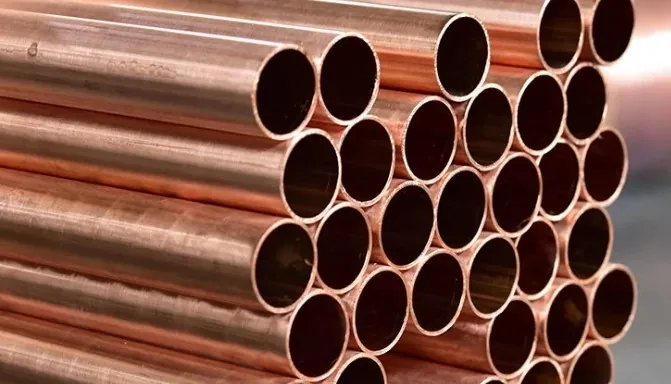
Copper Tubes Manufacturing Process & Standards
From LME-grade cathode to eddy-current-tested seamless tube: the melting, extrusion, drawing, annealing and testing steps behind ASTM B88, B280, B75 and EN 1057 copper tubes.
Read GuideGrades, standards, manufacturing processes, tolerances, testing and applications — everything procurement and design teams need before specifying copper tubes, brass condenser tubes, busbars, plates or fittings.
From LME-grade cathode to eddy-current-tested seamless tube: the melting, extrusion, drawing, annealing and testing steps behind ASTM B88, B280, B75 and EN 1057 copper tubes.
Read Guide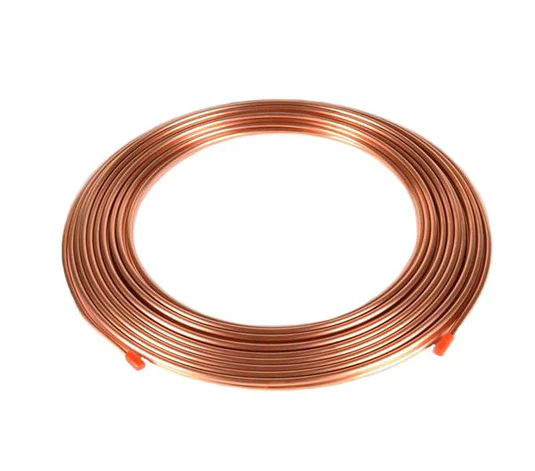
Soft-temper copper coils are the workhorse of refrigeration and air conditioning. Learn about plain, pancake and level wound coils, tempers, sizes and how they are annealed.
Read Guide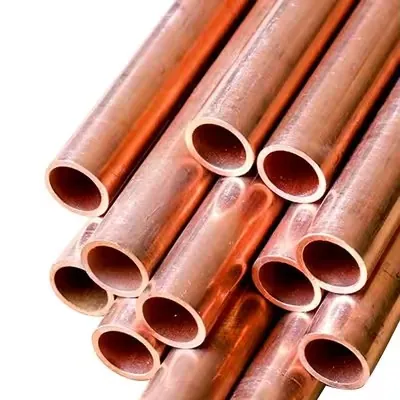
Copper pipe or copper tube? Understand ASTM B42, B302, B88 and EN 1057, the sizing differences, allowable pressures, joining methods and where each product is used.
Read Guide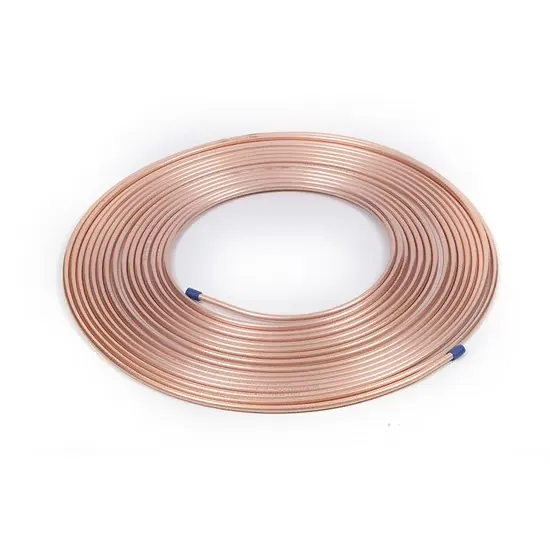
What makes a pancake coil different from a plain or level wound coil? Process, sizes, temper, cleanliness and packing for copper pancake coils (PCC) used in ACR installation.
Read Guide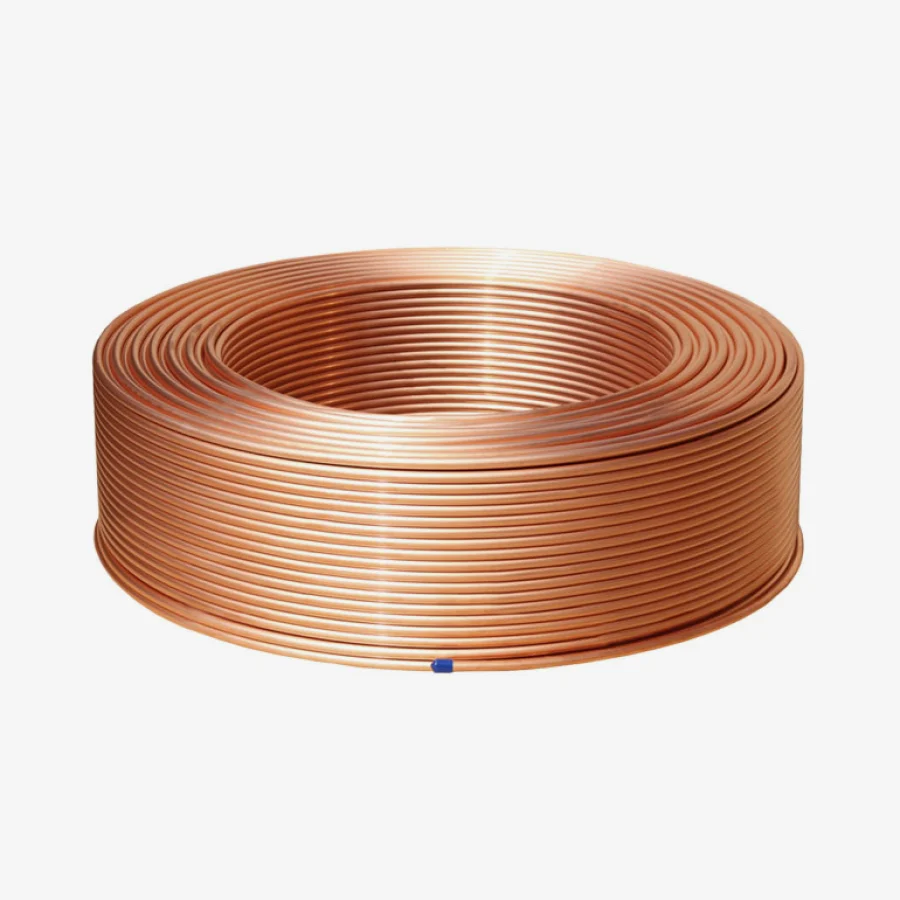
How level wound copper coils cut downtime on hairpin benders and coil lines. Sizes, annealing, cleanliness, spool handling and quality checks for LWC copper tube.
Read Guide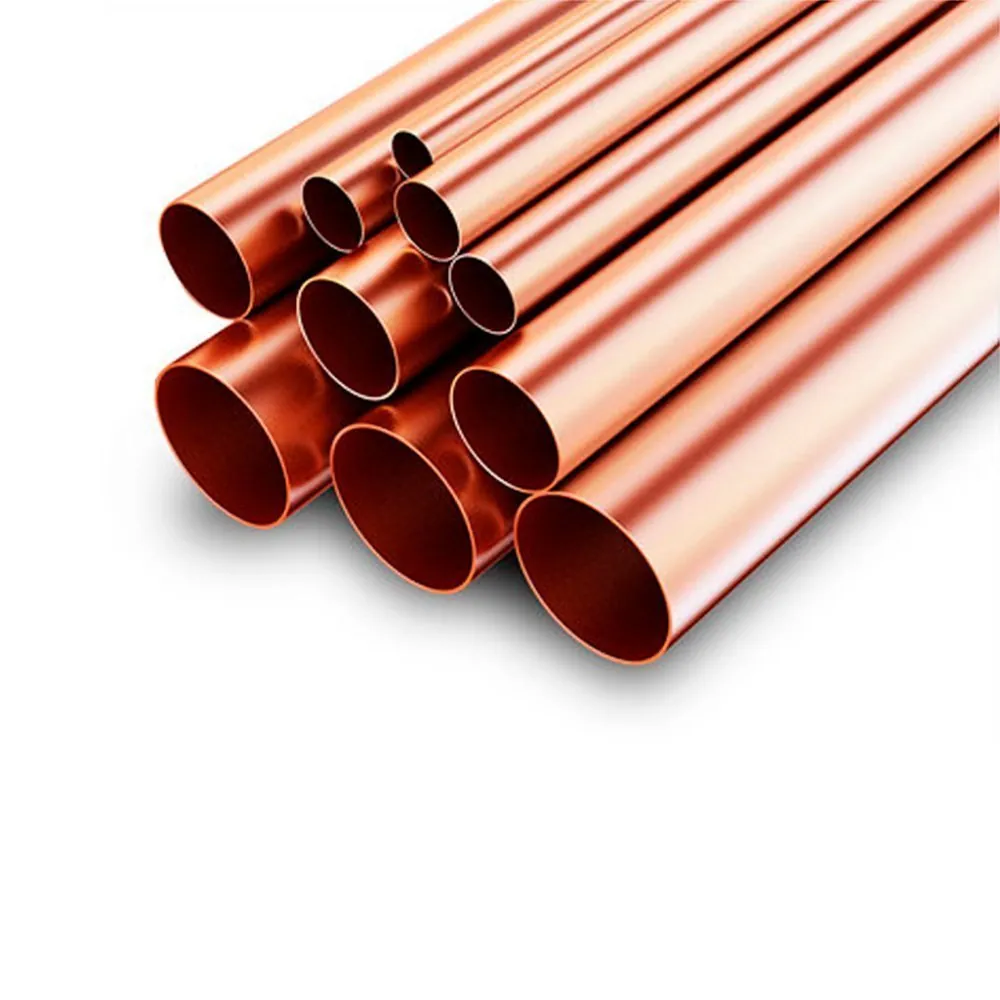
ACR copper tube explained: ASTM B280 and EN 12735 requirements, cleanliness, wall thickness for R410A and R32, supply forms and brazing practice for HVAC contractors.
Read Guide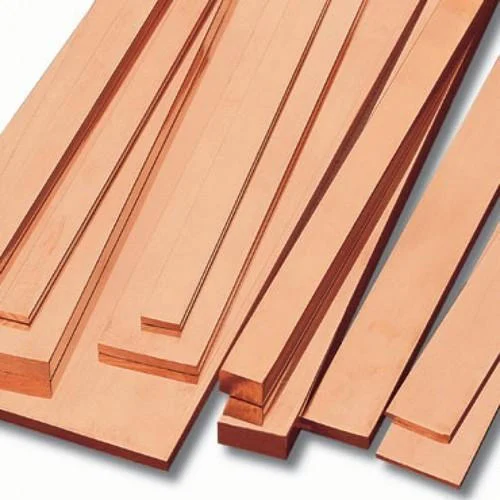
Everything buyers need to specify copper flat bars: grades, ASTM B187 and EN 13601 standards, tempers, width and thickness ranges, edge profiles and typical applications.
Read Guide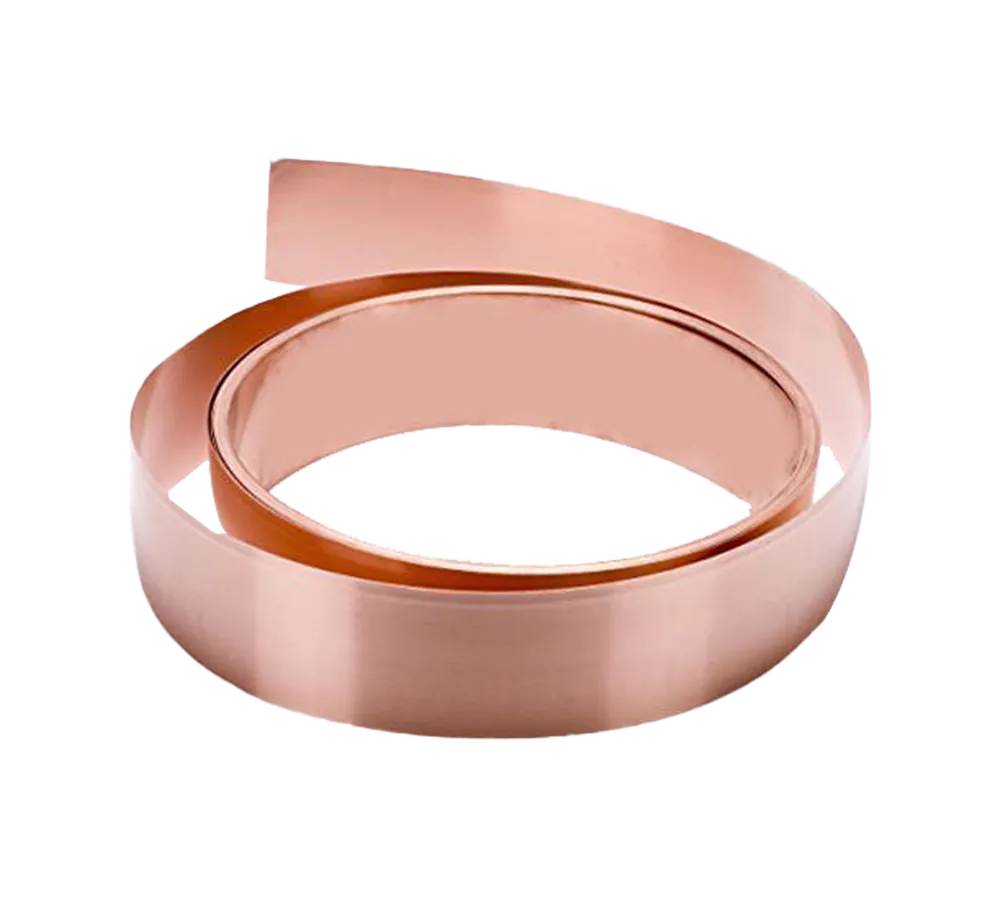
What "ETP grade" means for copper flat bars: C11000 composition, oxygen content, conductivity, hydrogen embrittlement limits and when to choose OFHC or DHP instead.
Read Guide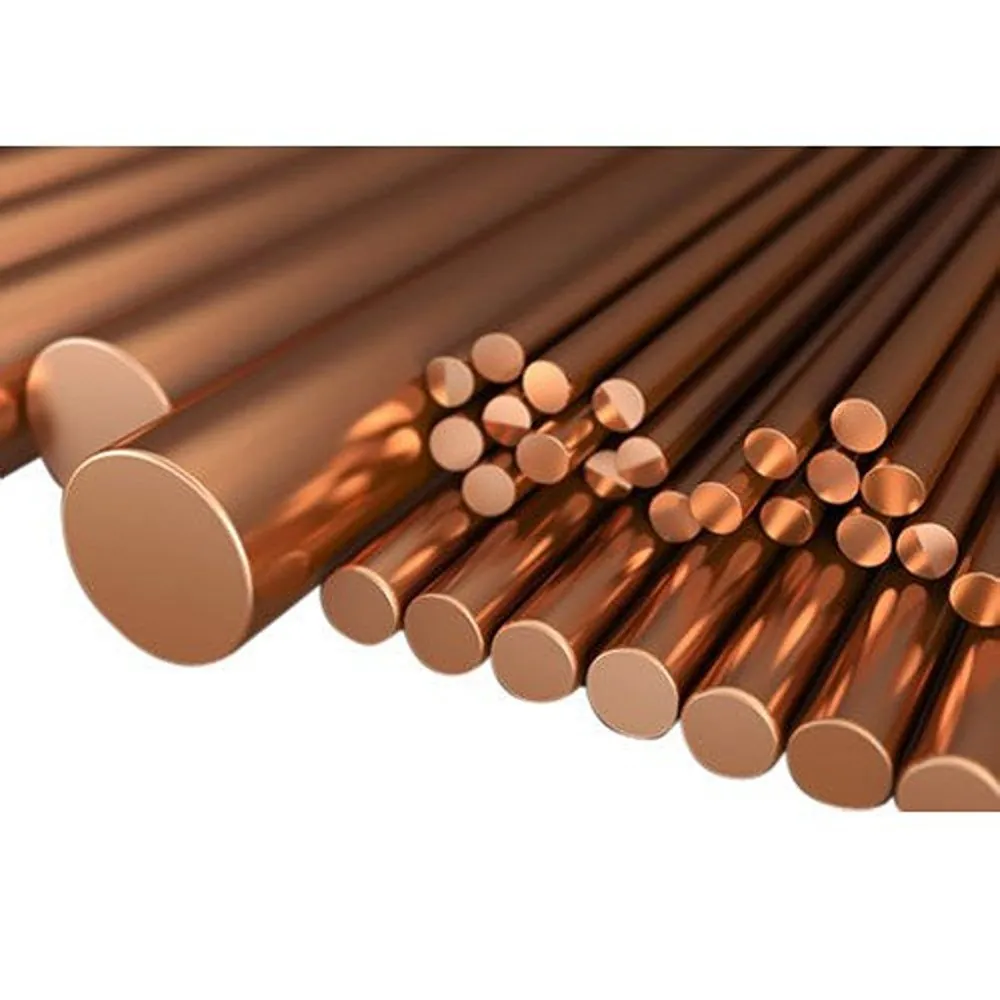
How copper round bars are extruded and drawn, which grade to choose (ETP, OFHC or DHP), available sizes and tolerances, and how to machine copper efficiently.
Read Guide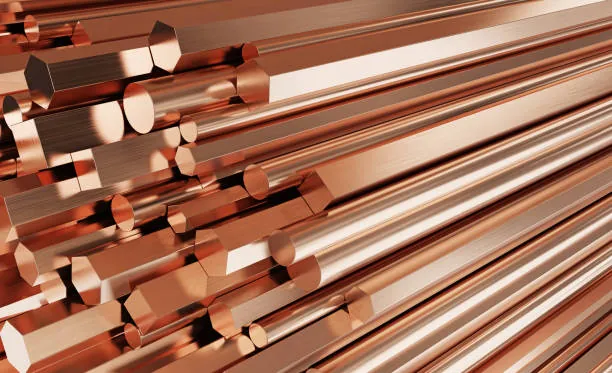
A practical guide to copper busbars: why ETP is preferred, current density rules of thumb, edge profiles, tin plating, jointing and relevant IEC, ASTM and IS standards.
Read Guide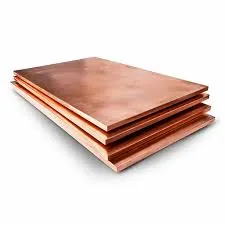
Hot-rolled plates and cold-rolled sheets: understand ASTM B152 and EN 1652 grades, thickness ranges, tempers, surface finishes and the cathode-to-sheet rolling process.
Read Guide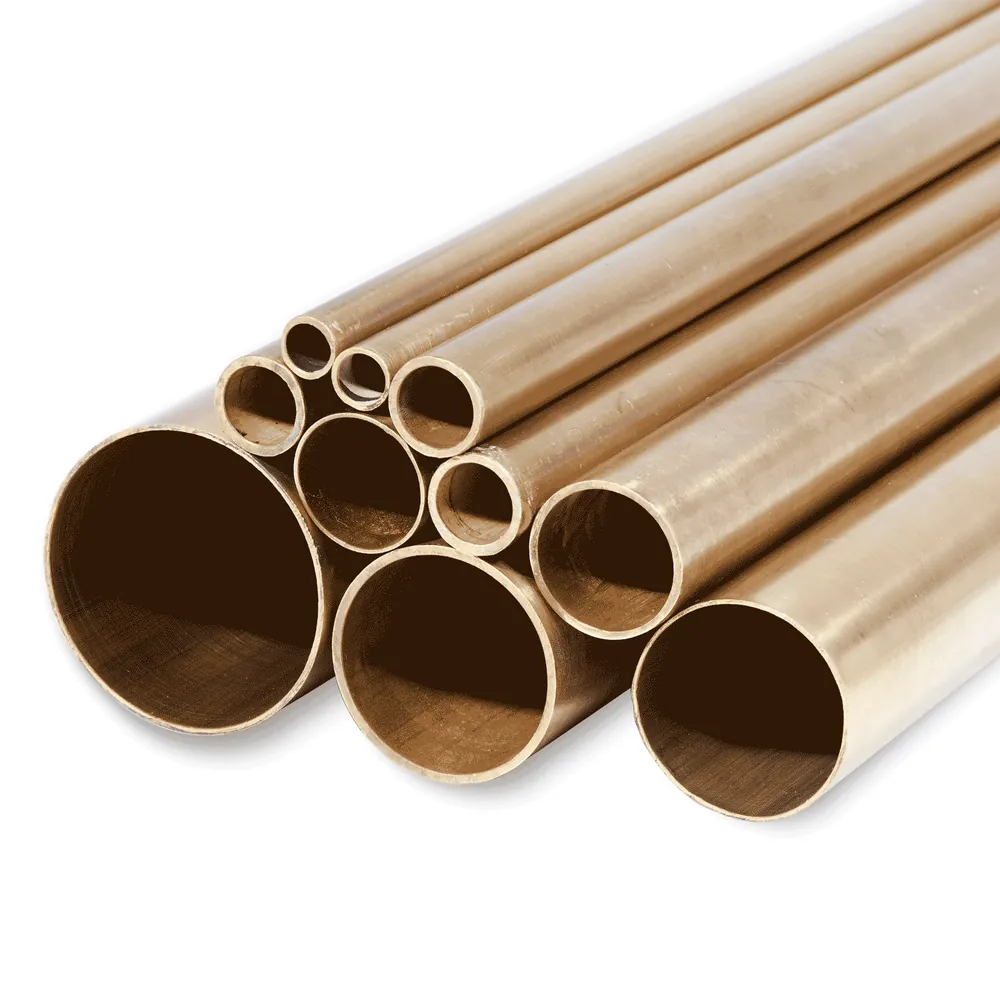
Which brass alloy should go inside your shell-and-tube exchanger? Compare Admiralty, Naval and aluminium brass tubes by corrosion behaviour, velocity limits, standards and testing.
Read Guide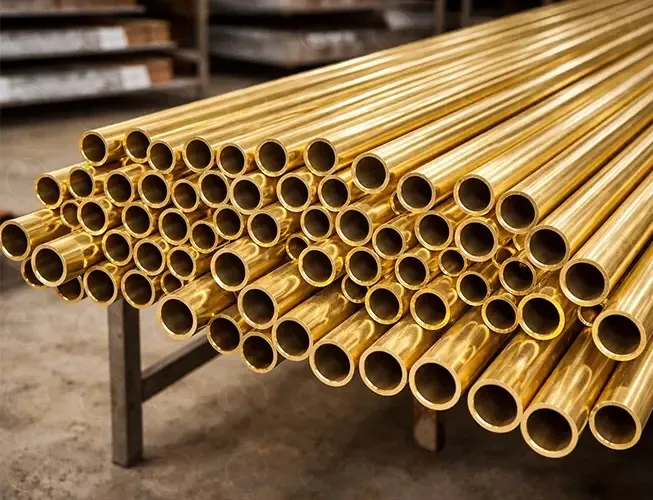
Standard condenser tube sizes and BWG wall gauges, ASTM B111 test requirements, installation tips and the common ways condenser tubes fail, from impingement to ammonia attack.
Read Guide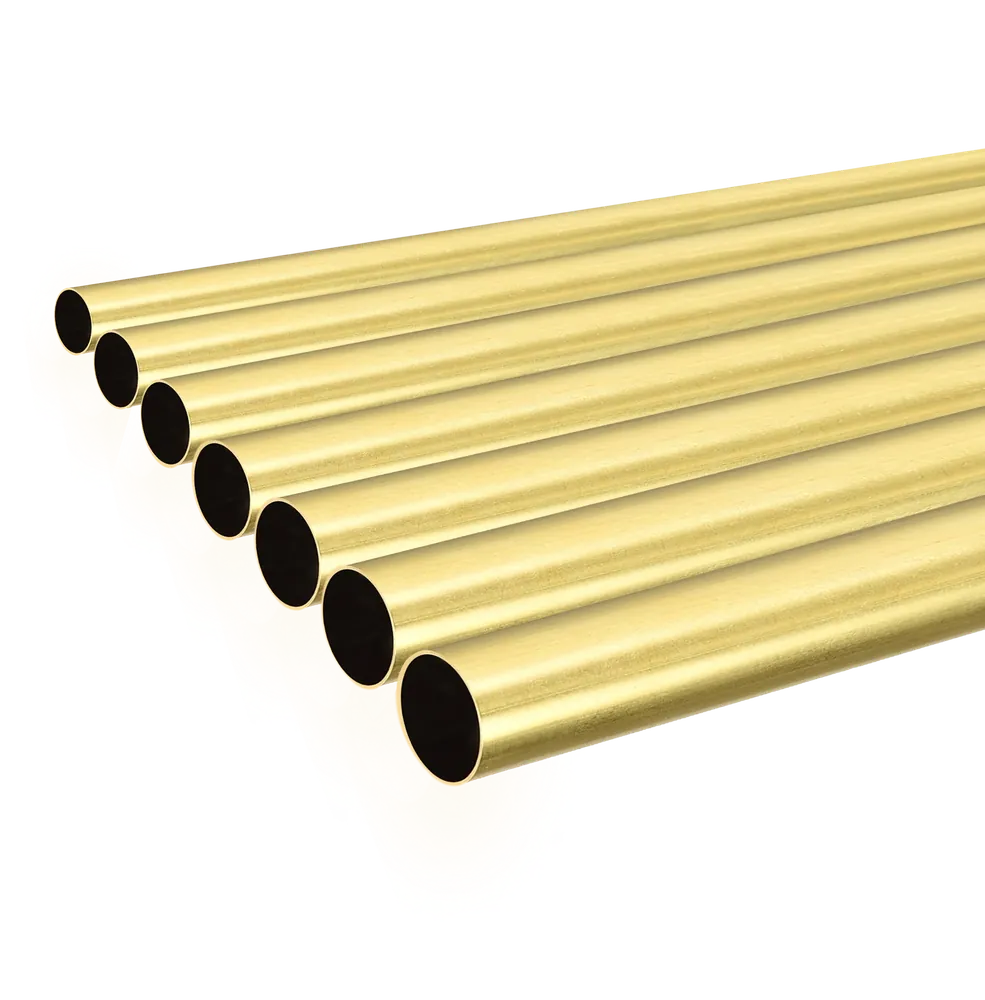
A buyer's guide to seamless brass tubes: alloys (C23000, C26000, C27200), ASTM B135 and EN 12449 standards, tempers, shapes, sizes and typical industrial uses.
Read Guide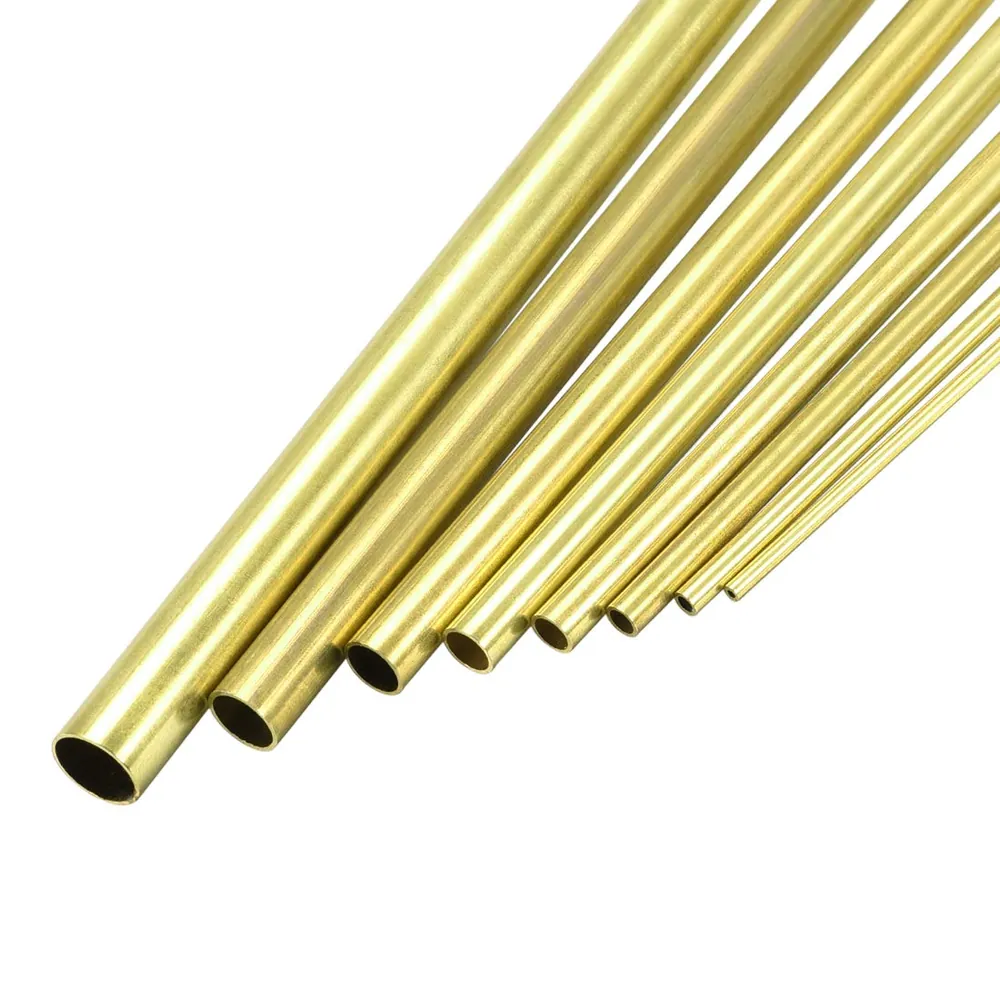
Seamless brass pipes explained: red brass vs cartridge and Naval brass, pipe vs tube sizing, threading, lead content, pressure and typical plumbing, gas and marine applications.
Read Guide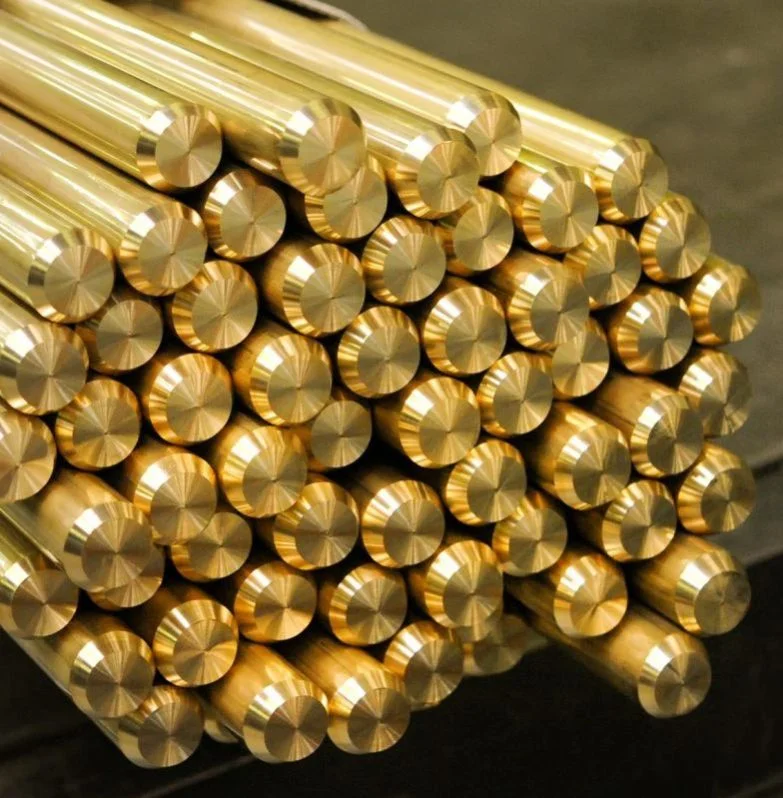
Free-cutting, forging and architectural brass rods: composition, machinability, standards (ASTM B16, EN 12164), tolerances, sizes and how to choose between C36000, CW614N and CW617N.
Read Guide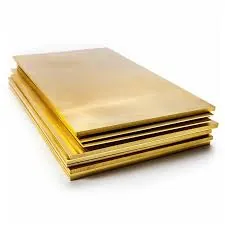
Compare brass plate alloys, thickness and tempers; learn which standard (ASTM B36, B19, B171, EN 1652) applies and how rolled brass plates are made for marine, electrical and architectural use.
Read Guide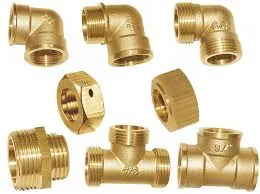
From hot-forged CW617N to DZR brass: how brass fittings are forged and machined, which threads and standards apply, how they are pressure tested and what approvals export markets expect.
Read GuideShare your grade, size, standard and quantity — we respond with pricing, availability and lead time.