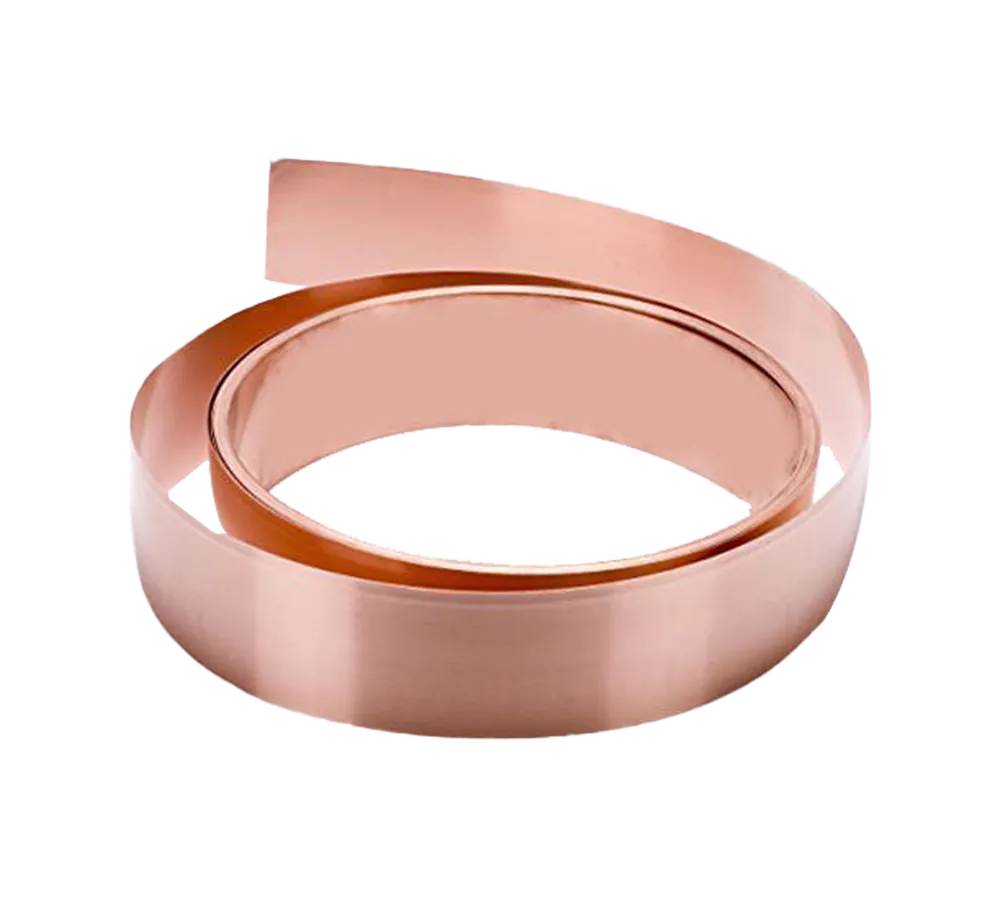
If you buy copper for electrical work, the words "ETP grade" appear on almost every enquiry. Copper ETP grade flat bars are the default conductor in switchgear, transformers and distribution systems worldwide. This guide explains what ETP means, what the number C11000 tells you about composition, how the grade compares with oxygen-free and phosphorus-deoxidised copper, and the single most important limitation to know: hydrogen embrittlement.
ETP stands for electrolytic tough pitch. The copper starts as electrolytically refined cathode, which is melted and "poled" to a controlled oxygen level, typically 0.02–0.04% (200–400 ppm). This residual oxygen combines with impurities to form fine copper oxide particles that tie up trace elements and stop them from reducing conductivity. The result is the highest-conductivity commercial copper that can be cast and hot-worked economically, which is why ETP copper is used for the majority of electrical bars, strips and wires.
| Designation | Standard | Cu (min) | Oxygen | Notes |
|---|---|---|---|---|
| C11000 | UNS / ASTM | 99.90% (including Ag) | 0.02–0.04% | Standard electrical copper |
| Cu-ETP / CW004A | EN 1976, EN 13601 | 99.90% | 0.040% max | European designation |
| Cu-FRHC (C11000) | IS 613 | 99.90% | per standard | Indian designation for fire-refined high conductivity copper |
The 99.90% minimum includes any silver present, which does not meaningfully reduce conductivity.
Choosing the wrong copper grade for a joining process is the most common specification error.
| Grade | Oxygen / deoxidiser | Conductivity | Best for | Avoid |
|---|---|---|---|---|
| C11000 Cu-ETP | 0.02–0.04% O | 100–101% IACS | Busbars, cables, general electrical | Brazing or welding in hydrogen or reducing flame |
| C10200 Cu-OF | 0.001% O max | 100–101% IACS | Vacuum, electronics, reducing-atmosphere brazing | Higher cost when not needed |
| C12200 Cu-DHP | 0.015–0.040% P | About 85% IACS | Tubes, pipe, welded or brazed parts | High-conductivity current paths |
Because ETP copper contains oxygen as copper oxide, heating it above about 400 °C in an atmosphere that contains hydrogen can cause the hydrogen to diffuse in and react with the oxide to form steam. The steam creates internal voids and micro-cracks, an effect known as "steam disease" or hydrogen embrittlement. Practical consequences:
Cathode is melted in a shaft furnace, oxygen is adjusted by poling, and the metal is cast into billets or wire-bar-type slabs. Hot extrusion or rolling creates the near-net section, cold drawing or rolling brings it to final width and thickness, and annealing is applied if softer tempers are required. Each batch is analysed for copper and oxygen content, and conductivity is verified on representative samples. See our complete guide on copper flat bars for dimension and tolerance information.
Melta Alloys manufactures C11000 ETP and C10200 oxygen-free copper flat bars at our Umbergaon, Gujarat plant and exports to 20+ countries. Each lot is verified by spectrometer analysis and hardness testing, and shipped with a mill test certificate. Visit our copper flat bars page or send an enquiry with your size, temper and standard.
ETP copper (C11000) has a minimum copper content of 99.90% including silver, with 0.02–0.04% oxygen. Conductivity is at least 100% IACS in the annealed condition.
ETP copper is made from electrolytically refined copper cathode, then melted and adjusted to a controlled oxygen level ("tough pitch"). Electrolytic copper cathode itself is the raw material, not the finished product grade.
ETP copper is normally bolted or crimped. Welding or brazing with a reducing flame can cause hydrogen embrittlement, so use C10200 or C12200 for joined assemblies.
Common references are ASTM B187 (bus bar), ASTM B133, EN 13601 (Cu-ETP CW004A) and IS 613. Quote the standard your panel or project specification requires.
Send your grade, size, standard and quantity — our team replies with pricing, lead time and mill test certificate details.